

Thank you for the music: Favourite Female Recording Artists
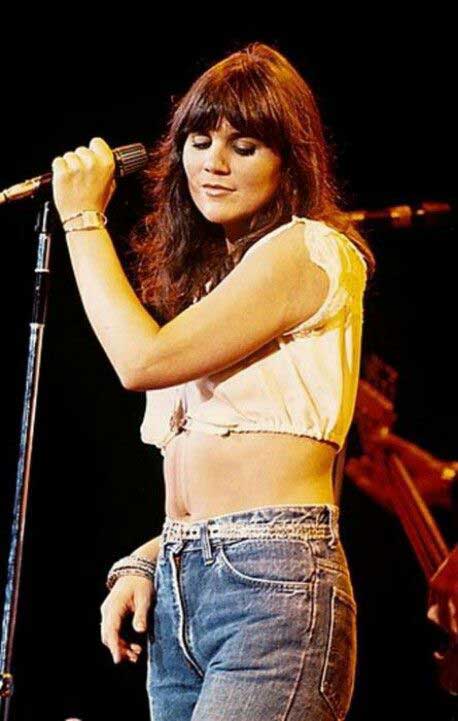
Linda Ronstadt
In 1967 I used to listen to Casey Casem's Top 40 every Sunday night. One evening I heard a song called "Different Drum" by a new group called The Stone Poneys. It was a nice easy-to-listen-to country-rock number featuring a female lead singer whose voice caught my attention. Down at my local record store I came across The Stone Poneys' Evergreen, Volume 2, the second of three albums they released before disbanding, and for the first time I saw a photo of the band's little leader singer. One look at her big, doey hazel eyes peeping out from under her fringe of straight dark brown hair and I was hooked. Who was this wonderful creature? Where had she been all my life? The album sleeve notes introduced her as "... Linda Ronstadt, described by a friend as a 'Peter Pan still looking for Shadow.'
After The Stone Poneys disbanded in 968, Linda embarked on a solo career. During the 1970s she never forgot the fellow musicians she had shared the stage with at the Troubadour in Los Angeles during the 1960s when she was an unknown on the international music stage. She regularly helped out with backing vocals on their albums and singles after they became The Eagles. From time to time she can be heard backing Henley and the gang if you listen carefully. Linda added her own distinctive touch to The Nitty Gritty Dirt Band's hit song An American Dream, adding harmony to John McEuen's lead who fronted what for a while was her own touring band.
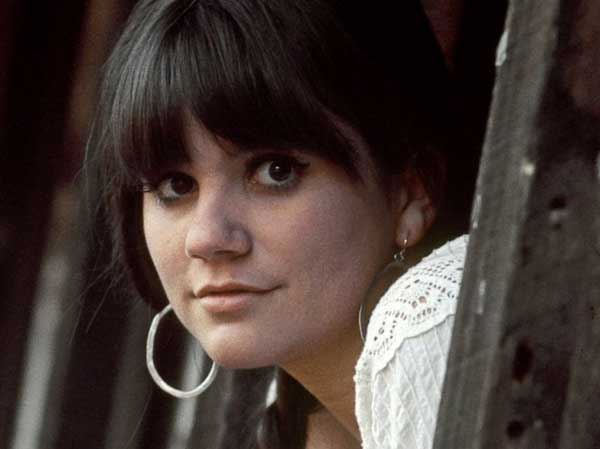
Linda reached the peak of her pop success in the mid 1970s with a string of hit singles and albums produced by Peter Asher of Peter & Gordon fame. While Linda's "What's New" album of 1983, which contained a string of lush romantic standards and featured the Nelson Riddle and his Orchestra, was every bit as good as everything else she had done, it was a change in musical direction which represented the coming of age of this wonderful singer. With its release, she left behind the cute, innocent gypsy look of her youth that had so captivated me and a generation of music lovers who had elevated her to the position of one of if not the most popular female recording artist of the 1970s. Thank you Linda, thank you Peter, for those wonderful songs and arrangements that were so much a part of my first decade of adult life.
Favourite Album: Simple Dreams (1977)
Favourite Songs: Poor, Poor Pitiful Me; It Doesn't Matter Anymore; Blue Bayou
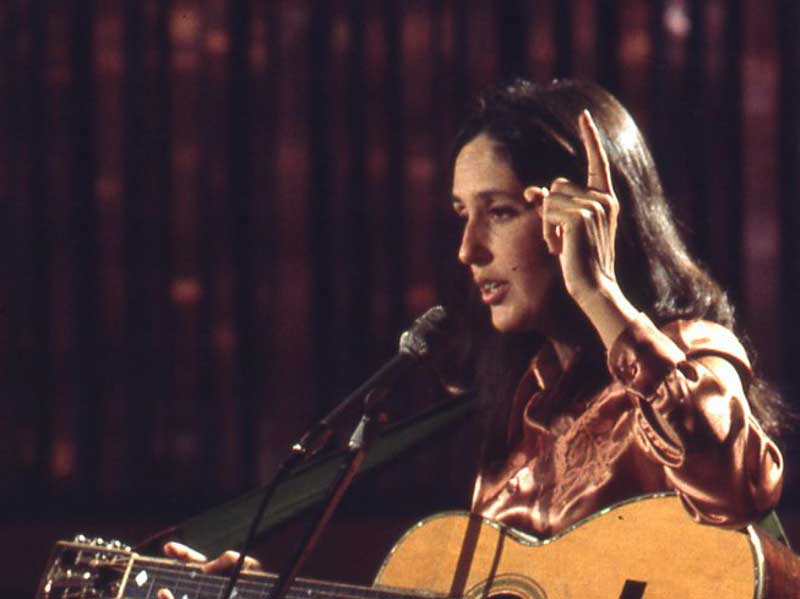
Joan Baez
I was never very deep into the folk music scene but I loved (and still do) the music of Joan Baez. Her unusual voice was quite capticavating and her renditions of Bob Dylan songs are simply superb and portray so well his genius. Her father was a physicist, born in Mexico, and her mother of Scottish and English descent. She grew up in New York and California, and when her father took a faculty position in Massachusetts, she attended Boston University and began to sing in coffeehouses and small clubs.
Bob Gibson invited her to attend the 1959 Newport Folk Festival where she was a hit. Early in her career, Joan's main body of work was historical folk songs, she added political songs to her repertoire during the 1960s. She supported such organizations as Amnesty International and Humanitas International. Joan Baez continues to speak and sing for peaceful solutions to violence in the Middle East and Latin America.
Favourite Album: Any Day Now.
Favourite song: Love Minus Zero No Limit.
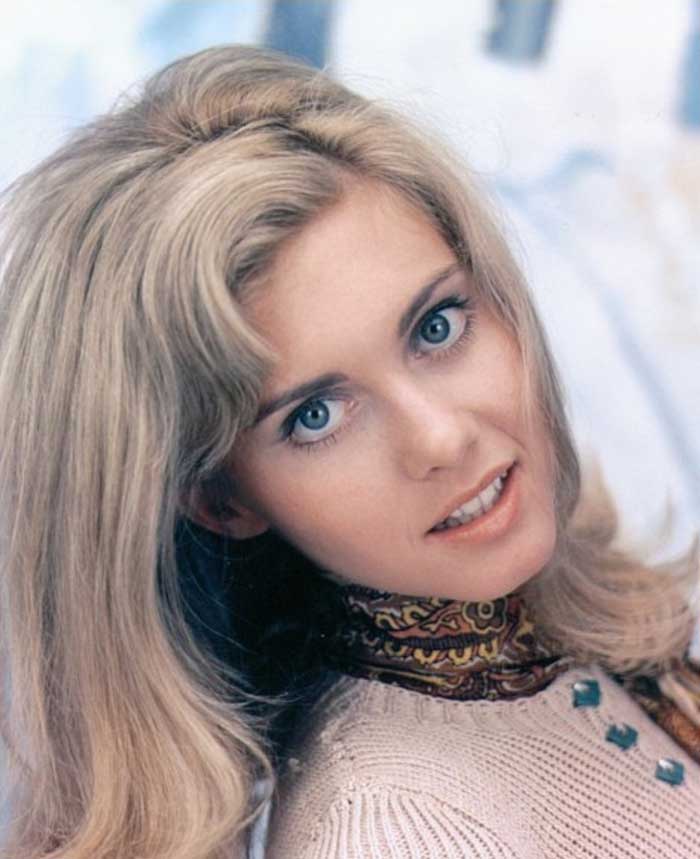
Olivia Newton-John
If ever there was a girl who I'd want to be living next door to, Olivia - and not Alice would - be the girl for me. She was cute, dreamy, had a pleasant singing voice and had the ability to turn me to jelly every time she sang I Honestly Love You. And what's more, she migrated from England on the Strathaird, the same ship that brought me to Australia's shore, but a few years later. I still admire the lady greatly today, for her wonderful catalogue of music, her charity work and for being a great ambassador for her adopted country Australia.
Olivia grew up in both England and Australia. In 1954 (at age 5), she moved to Australia but returned to live in England about 10 years later when she was 15. Her winning of a talent contest in Australia led her back to England and on her path as a successful singer, performer and actress. She had taken the suggestion of her favorite teacher to pursue her dream of becoming a singer. She later moved to Los Angeles in the mid-'70s, where she had already become well-established as a pop and country singer. She was awarded an O.B.E. (Officer of the Order of the British Empire) in the 1979 Queen's New Years Honours List for her services to the performing arts. In 1992, Olivia returned to New South Wales, Australia, to recuperate after battling breast cancer.
While recording her first hit "If Not For You," Olivia's dog was in the studio with her and at one point knocked over a microphone stand. The noise is still evident in the song today (during the instrumental bridge near the end of the song).
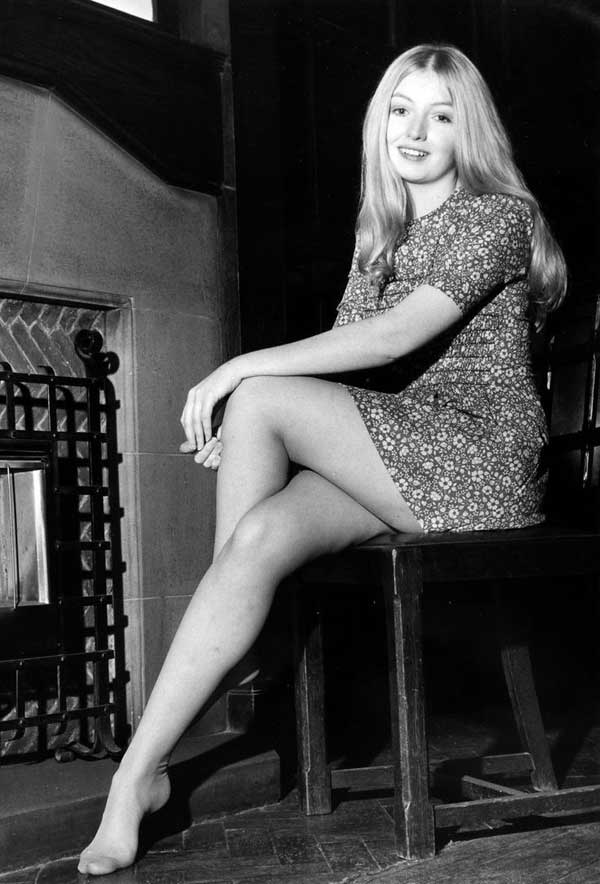
Mary Hopkin
Mary Hopkin was one of the success stories of The Beatles' forway into helping unknown singers achieve fame and popularity via their Apple Records recording label. Beatle Paul McCartney personally guided this little Welsh songstress to the top of the popular music charts in the early seventies and my life at that time was all the better for it. I loved her usual voice, the way she included her Welsh heritage in her musical repertoire and believe that she withdrew from recording to start a family way too soon. Three albums was nowhere near enough. She still performs from time to time but sadly, her music don't make it to our shores any more.
Favourite album: Earth Song, Wind Song.
Favourite songs: Temma Harbour; Goodbye; Fields of St Etienne; How Come The Sun; Those Were The Days; Silver Birth And Weaping Willow (I'd have picked one song but that was too difficult).
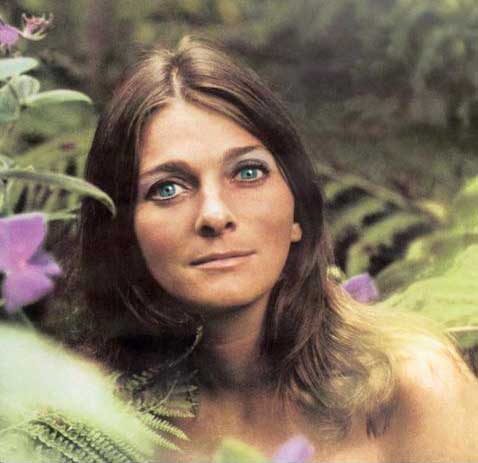
Judy Collins
As I said previously, folk music was never my scene but this lady's output was spellbinding, especially her Amazing Grace - spine-tingling stuff. Judy Collins has thrilled audiences worldwide with her unique blend of interpretative folksongs and contemporary themes. Her impressive career has spanned more than 40 years. At 13, Judy Collins made her public debut performing Mozart's "Concerto for Two Pianos" but it was the music of such artists as Woody Guthrie and Pete Seeger, as well as the traditional songs of the folk revival, that sparked Judy Collins' love of lyrics. She soon moved away from classical piano and began her lifelong love affair with the guitar. In 1961, Judy Collins released her first album, A Maid of Constant Sorrow, at the age of 22 and began a thirty-five year association with Jac Holzman and Elektra Records.
Favourite album: Whales and Nightingales.
Favourite songs: Time Passes Slowly; Amazing Grace; Song for David.